
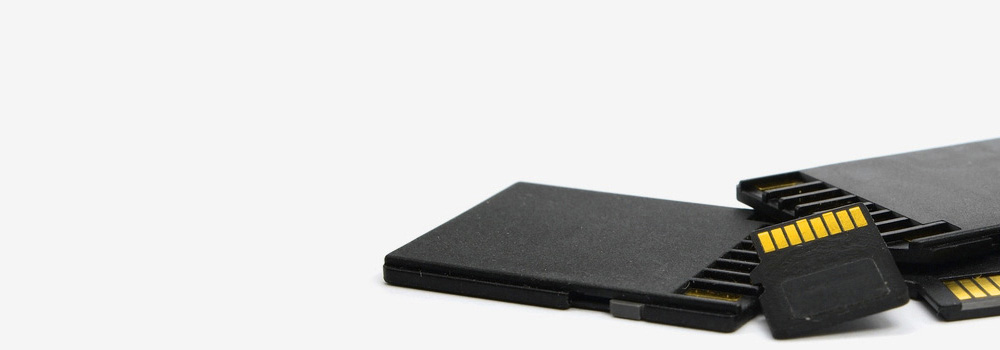

Plymouth Data Recovery — No.1 SD, microSD & xD Memory Card Specialists (25+ years)
With 25+ years’ experience, Plymouth Data Recovery provides professional recovery for every memory-card type and every fault—from accidental deletion to advanced controller/FTL failures. We work on clones only (never the original) and use forensic-grade workflows to maximise safe recovery. Free diagnostics and clear options before any paid work begins.
Top 20 memory-card brands in the UK & popular ranges
(Representative ranges we see most frequently—if yours isn’t listed, we still support it.)
-
SanDisk — Ultra / Extreme / Extreme Pro / High Endurance (SD/microSD); Professional G-DRIVE SD (via SanDisk Pro)
-
Samsung — EVO Plus / PRO Plus / PRO Endurance (microSD/SD adapter)
-
Kingston — Canvas Select Plus / Canvas Go! Plus / Canvas React Plus (UHS-I/UHS-II)
-
Lexar — Professional 1066x/1667x/1800x (UHS-I/II SD), Gold/Diamond CFexpress
-
PNY — Elite / Pro Elite / Premier-X (SD/microSD), XLR8 CFexpress
-
Integral — UltimaPro / UltimaPro X / High Endurance (SD/microSD)
-
Transcend — 300S/500S (UHS-I), 700S (UHS-II), High Endurance
-
KIOXIA (Toshiba) — EXCERIA / EXCERIA PRO (SD/microSD)
-
Sony — TOUGH UHS-II SD (V60/V90), CFexpress Type-A / G series
-
ProGrade Digital — UHS-II SD V60/V90, CFexpress Cobalt/Gold
-
Delkin Devices — BLACK/Powerv90 UHS-II SD, CFexpress POWER/BLACK
-
Angelbird — AV PRO SD (V60/V90), AV PRO CFexpress
-
ADATA — Premier / Premier Pro (SD/microSD)
-
Patriot — EP / LX series (SD/microSD)
-
Verbatim — Pro+ / Premium (SD/microSD)
-
TeamGroup — Elite / Pro (SD/microSD), CFexpress Card
-
Greenliant — Industrial SLC/MLC SD & microSD (embedded/extended temp)
-
Swissbit — Industrial SD/microSD (SLC/pSLC, extended temp)
-
ATP — Industrial SD/microSD (SLC/MLC/TLC with pSLC modes)
-
HikStorage/Hikvision — High-Endurance CCTV/dashcam microSD
Card types we recover
SD / SDHC / SDXC / SDUC, microSD / microSDHC / microSDXC / microSDUC, miniSD (legacy), MMC/RS-MMC, CF / CFast 1/2 / CFexpress (Type A/B/C), XQD, xD-Picture, Memory Stick PRO/PRO-HG & M2, SmartMedia, UFS Card (industrial).
Standards & speeds: UHS-I/UHS-II, V30/V60/V90 video classes, A1/A2 app classes, UDMA (CF), PCIe/NVMe (CFexpress/XQD).
How we work (forensic, safe, repeatable)
-
Intake & triage — Identify card/controller/NAND, speed mode (UHS/HS), file system, symptoms, and any encryption.
-
Stabilise & acquire — Controller-assisted imaging if the card enumerates; otherwise monolith pin-out/“chip-off” to dump raw NAND. Multiple passes; verified hashes.
-
Reconstruct — Rebuild FTL (ECC BCH/LDPC, XOR/scrambler, die/plane interleave, channel order); then repair the file system on the clone (exFAT/FAT32/NTFS/HFS+/APFS/ext/XFS/Btrfs).
-
Validate & deliver — Hash-verify recovered files, preview samples, and return via encrypted drive or secure transfer.
We never write to your original card. All work occurs on verified clones or raw dumps.
Top 100 memory-card faults & how we recover them (technical)
Format: Fault → Why it happens → Lab diagnosis & resolution (on a clone/raw dump)
A. Physical / Connector / Form-factor (1–15)
-
Cracked microSD substrate → Bending stress breaks internal traces → Micro-epoxy stabilisation; monolith pin-out mapping; breakout VBUS/GND/D0–D7/CLE/ALE/WE/RE/RB; raw NAND dump.
-
Bent/broken SD pins → Damaged connector pads/trace lift → Re-pin or transplant socket; if inner layers torn, monolith breakout and dump.
-
Damaged write-protect tab → WP sense line stuck → Bypass WP in reader; throttle to legacy speed; controller-path image.
-
Snapped SD shell → Mechanical fracture near die → Transplant die/PCB to donor shell; if bond wires compromised, monolith dump.
-
xD-Picture corner fracture → Loss of edge traces → Micro-wire repair under scope; direct dump.
-
CF bent host pins → Host side damage blocking UDMA → Use known-good UDMA reader; if controller comms unstable, chip-off.
-
CFexpress/XQD socket wear → Intermittent lanes → Fixed-pressure reader; if fail to enumerate, vendor mode/ROM extract or chip-off (where feasible).
-
Delamination (microSD split) → Broken bond wires → Decap + wire-out or pogo-pin to exposed pads; raw read.
-
Memory Stick PRO-HG pad lift → Pad oxidation/tear → Micro-wire; force low-speed; image or dump.
-
SmartMedia oxidation → Contact resistance high → Chemical clean; if unreliable, chip-off.
-
miniSD adapter defects → Bad adapter traces → Replace adapter; UHS fallback; image.
-
Card wedged in slot → Shell distortion → Non-destructive extraction; connector transplant; image.
-
microSD overheated in drone → Warped substrate → Lower mechanical stress, cool dump; multiple read passes.
-
CF door impact → Misalignment of card rails → Mechanical realign; socket swap; image.
-
Broken locking detent → Intermittent contact → Reader replacement; stabilise for long reads.
B. Electrical / Power Integrity (16–25)
-
ESD hit; no power-up → TVS/ESD arrays short → Replace protection; verify 3.3 V/1.8 V rails; if MCU current abnormal → chip-off.
-
Over-voltage (5 V onto 3.3 V) → LDO/MCU damage → Replace LDO; if controller cooked → chip-off.
-
Dashcam/NVR surges → Brownouts corrupt FTL → Bench supply, soft-start imaging; move to raw dump if unstable.
-
Shorted decoupling cap → Rail collapse → Thermal camera locate; replace; image.
-
Pulled-up data lines missing → Bad terminations → Reinstate pull-ups; lower bus speed; image.
-
Reader back-powering → Current backflow → Use isolated reader; verify rails; image.
-
Electrolytic leakage in camera → Contamination → Clean; switch to lab reader; image.
-
Battery hot-swap during write → Partial metadata commit → Journal-aware FS repair on image.
-
Reverse polarity in industrial slot → Immediate short → Replace protection; MCU often dead → chip-off.
-
Ground bounce on UHS-II → Intermittent CRCs → Force UHS-I; small block reads; image.
C. Controller / Firmware / FTL (26–40)
-
Controller burnout (Phison/SMI/Alcor/Realtek/ChipsBank/Maxio) → No enum → Chip-off NAND; rebuild FTL (ECC, XOR/scrambler, interleave die/plane/channel).
-
Firmware safe-mode/boot loop → Corrupt boot blocks → Enter vendor loader via test pads; export raw; else chip-off.
-
Translator corruption (LBA↔PBA) → Lost wear-level journal → Heuristic rebuild from page timestamps & block types; assemble image.
-
Lost mapping table after power loss → Volatile cache not flushed → Infer from spare area metadata; validate with FS signatures.
-
Unknown XOR/scrambler → Vendor-specific diffusion → Discover via crib-dragging (FAT boot, exFAT upcase, JPEG headers); apply across planes.
-
Multi-die interleave confusion → Wrong channel order → Topology probing; per-die dumps; re-interleave; test against FS.
-
DRAM-less controller cache issues → FTL anomalies → Emulate cache tables if supported; else chip-off + offline mapping.
-
Bad block management table loss → Mis-addressed pages → Recompute from OOB markers; mask failing blocks.
-
Wear-levelling metadata wraparound → Counter overflow → Temporal ordering + version fields to unroll; rebuild.
-
Vendor self-encryption → Cipher at rest → Keys required; with keys, decrypt clone post-image; without, chip-off yields ciphertext.
-
ECC profile mismatch → Wrong BCH/LDPC → Identify ECC via syndrome analysis; apply correct decoder.
-
Controller thermal throttling loop → Read resets → Active cooling; staged imaging with dwell; consolidate best passes.
-
Controller treats card RO → Lock bit set → Force RO imaging; rebuild FS on clone.
-
Monolith with hidden test pads → No standard pinout → X-ray/IR locate nets; infer by resistance/diode tests; wire-out to reader.
-
CFexpress namespace loss → NVMe admin ok, no ns → Create synthetic namespace from raw; rebuild partition/FS.
D. NAND / Media Behaviour (41–55)
-
Retention loss (heat/time) → Threshold drift → Cold dump, voltage stepping; multi-read voting; ECC margining.
-
Read-disturb (TLC/QLC) → Excessive adjacent reads → Lower Vref, interleave idle; prioritise weakest blocks; merge passes.
-
Program/erase disturb → Neighbour cell upset → Discard high-syndrome pages; reconstruct from duplicates.
-
Bad block proliferation → Failing erase cycles → Map & mask; fill holes from FS context.
-
Partial die failure → Plane inaccessible → Single-plane reads; merge partials; carve.
-
ONFI/Toggle mis-detect → Mode mismatch → Force correct timings in reader; re-acquire dumps.
-
SLC cache/TLC boundary → Split data sets → Identify cache region; temporal merge by FTL timestamps.
-
OP/hidden areas missing → Incomplete dump → Include reserved ranges; recalc logical map.
-
ECC area corruption → Parity region damage → Alternate ECC profiles; manual BCH/LDPC correction on target ranges.
-
Die-to-die skew → Asymmetric timing → Per-die parameter sets; re-dump; merge.
E. Logical / Partition / File System (56–78)
-
Accidental deletion → Directory entries unlinked → Journal-aware restore; carve unallocated & slack.
-
Quick format → Boot/FS headers replaced → Rebuild partition & boot sectors; use backup FAT/exFAT bitmap; deep carve large videos (MP4/MOV).
-
Full format (exFAT/FAT) → High overwrite → Signature carve & allocation heuristics; partial outcomes likely.
-
Partition table (MBR/GPT) wiped → No mount → Infer from FS signatures; build synthetic GPT; mount RO.
-
exFAT bitmap corruption → Allocation map wrong → Bitmap repair on clone; traverse chains; recover orphans.
-
FAT root dir loss (legacy) → LFN entries broken → Rebuild short+long name chains; validate checksums.
-
HFS+/APFS on card (Mac use) → APFS checkpoints & omap → Walk checkpoints; rebuild omap; mount RO.
-
ext4 superblock/inode loss → Use backup superblocks; offline fsck-like rebuild on image.
-
XFS journal corruption → Manual log replay; directory tree rebuild.
-
Btrfs on SD (rare/embedded) → CSum/subvol issues → Choose best superblock pair; tree-search; export subvols.
-
Camera DB corruption (AVCHD/MP4/MXF) → Index tables lost → Rebuild container indices; stitch streams by PTS/offsets.
-
Fragmented 4K/8K video → Non-contiguous extents → Range-map reconstruction from allocation heuristics; GOP-aware stitching.
-
RAW photo partials (CR3/NEF/ARW) → Missing header/IFD → Header grafting; tile/strip stitching; maker-note preservation.
-
Proxy/original mix on same card → Confused workflows → Separate by EXIF/container; prioritise originals.
-
Spanned clips over cards → Multi-card sequences → Detect spanned metadata; reconstruct sequence order.
-
Time-shifted clocks → Wrong timestamps → Normalise using embedded EXIF/MP4 mvhd times.
-
MTP/PTP transfer failures → Half-copied files → Re-pull from image; container repair.
-
Camera tried to “repair” card → Auto-fix wrote junk → Roll back using journal history; discard repair artifacts.
-
exFAT upcase table loss → Name case broken → Rebuild or accept lowercase; restore structure.
-
NTFS on SD (Windows devices) → $MFT/$LogFile → Replay log; rebuild MFT; relink orphans.
-
ReFS on SD (edge cases) → Object tables → Export integrity-valid objects; ignore mismatched blocks.
-
APFS snapshot bloat (Mac) → Space pressure → Select healthy checkpoint; export; avoid pruning on original.
-
Filesystem from unsupported host (dashcams/drones) → Vendor quirks → Emulate allocation logic; time-ordered recovery.
F. Environmental / Handling / Workflow (79–90)
-
Fresh-water ingress → Ionic contamination → Rinse/neutralise; dry; do not power; monolith dump.
-
Salt-water ingress → Rapid corrosion → Immediate neutralisation; accelerated imaging window.
-
Overheating in action cam → Thermal throttling → Directed cooling; staged imaging; prioritise weak blocks.
-
Shock/impact during write → Torn writes → Journal repair; salvage prior data; carve interrupted files.
-
Static discharge during swap → ESD arrays blown → Replace; raw dump if MCU unstable.
-
Magnetic field exposure (myth) → No effect on flash → Real issue usually ESD/heat; proceed as above.
-
Incorrect removal (no eject) → Cache not flushed → Replay log; fix FS; export.
-
Long-term shelf storage → Retention loss → Cold dump; voltage stepping; multiple passes.
-
Multiple format cycles (camera/PC) → Mixed partitioning → Identify latest valid FS; mount RO.
-
Glue/epoxy contamination → Obstructed pads → Clean; micro-wire; raw dump.
-
Wrong card in high-speed slot (UHS-II) → Lane detection failures → Force UHS-I; image.
-
Reader firmware bug → CRC/timeout → Use lab-trusted readers; BOT fallback.
G. Security / Malware / Host Interaction (91–96)
-
Malware-infected card → Hidden/locked files → Forensic image; neutralise; recover clean set.
-
Ransomware on removable media → Encrypted files → Image; attempt known decryptors; else restore from snapshots/temp caches.
-
BitLocker-To-Go on SD → Encrypted volume → Image; decrypt with valid key; export RO.
-
Camera password/encryption (rare) → Vendor crypto → Keys required; otherwise focus on pre-encrypt remnants.
-
OS auto-TRIM on SD readers → Some bridges issue TRIM → Image immediately; target non-trimmed ranges.
-
iOS/Android MTP virtualisation → No raw access → Acquire via device backup; or image card directly outside device.
H. Counterfeit / Manufacturing / Supply (97–100)
-
Counterfeit capacity (hacked FTL) → Wraparound writes → Recover true addressable range; carve; warn integrity limits.
-
Fake brand relabel → Unstable ECC → Conservative read thresholds; extra passes; partial results likely.
-
Manufacturing bad lot (weak die) → Elevated UBER → ECC-heavy reads; multiple pass merge.
-
Firmware QA bug → Off-by-one mapping → Identify via repeating artifacts; corrective mapping layer in reconstruction.
Why choose Plymouth Data Recovery
-
25 years in business with thousands of successful memory-card recoveries
-
Monolith & chip-off specialists (UHS-II, V90, CFexpress, industrial SLC/pSLC)
-
Advanced tooling (PC-3000 Flash, Rusolut VNR, Flash Extractor) & donor inventory
-
Free diagnostics and clear recovery options before any work begins
-
Optional priority turnaround (case-dependent)
Ready to begin?
Contact Plymouth Data Recovery for your free diagnostic today. Whether it’s a snapped microSD, a corrupt exFAT, or a CFexpress controller failure, we’ll stabilise it, image it safely, and get your data back.